Andean textile vivid
1344×768 · AVIF · CC BY 4.0
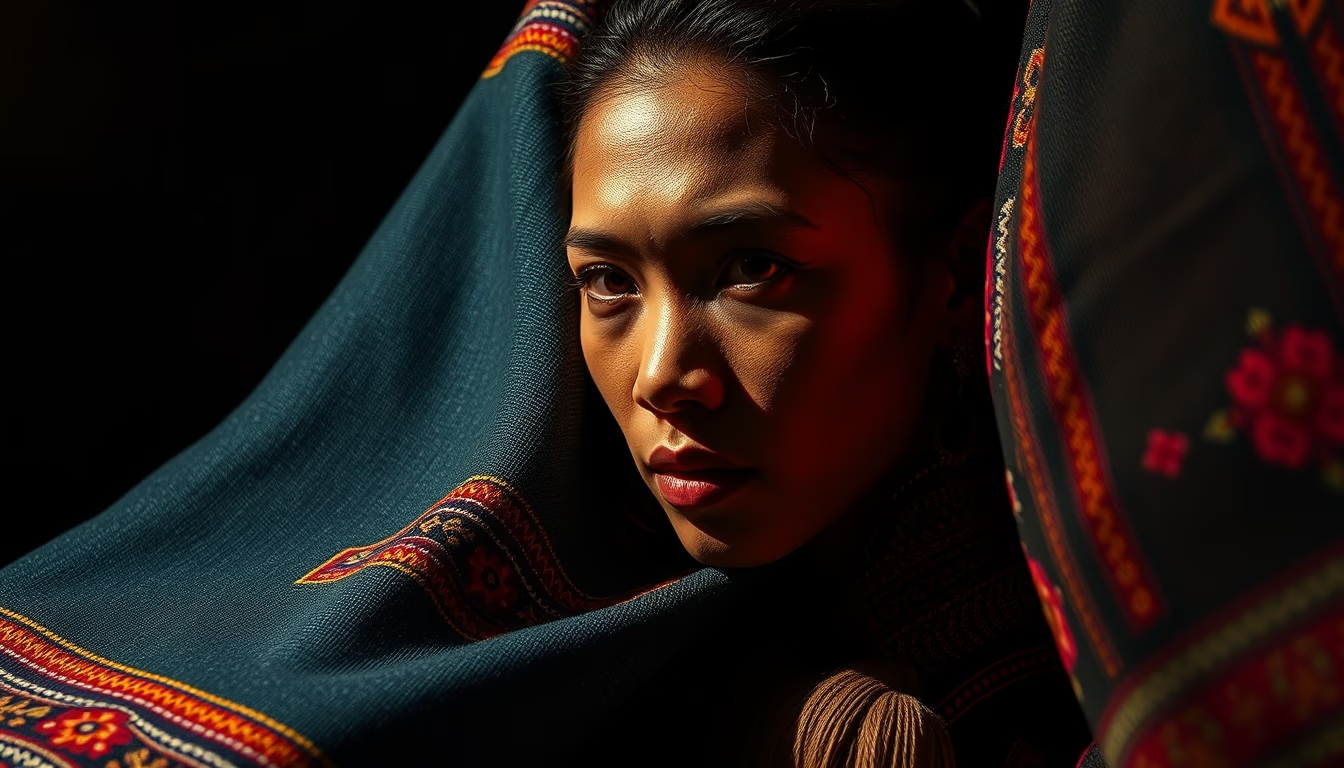
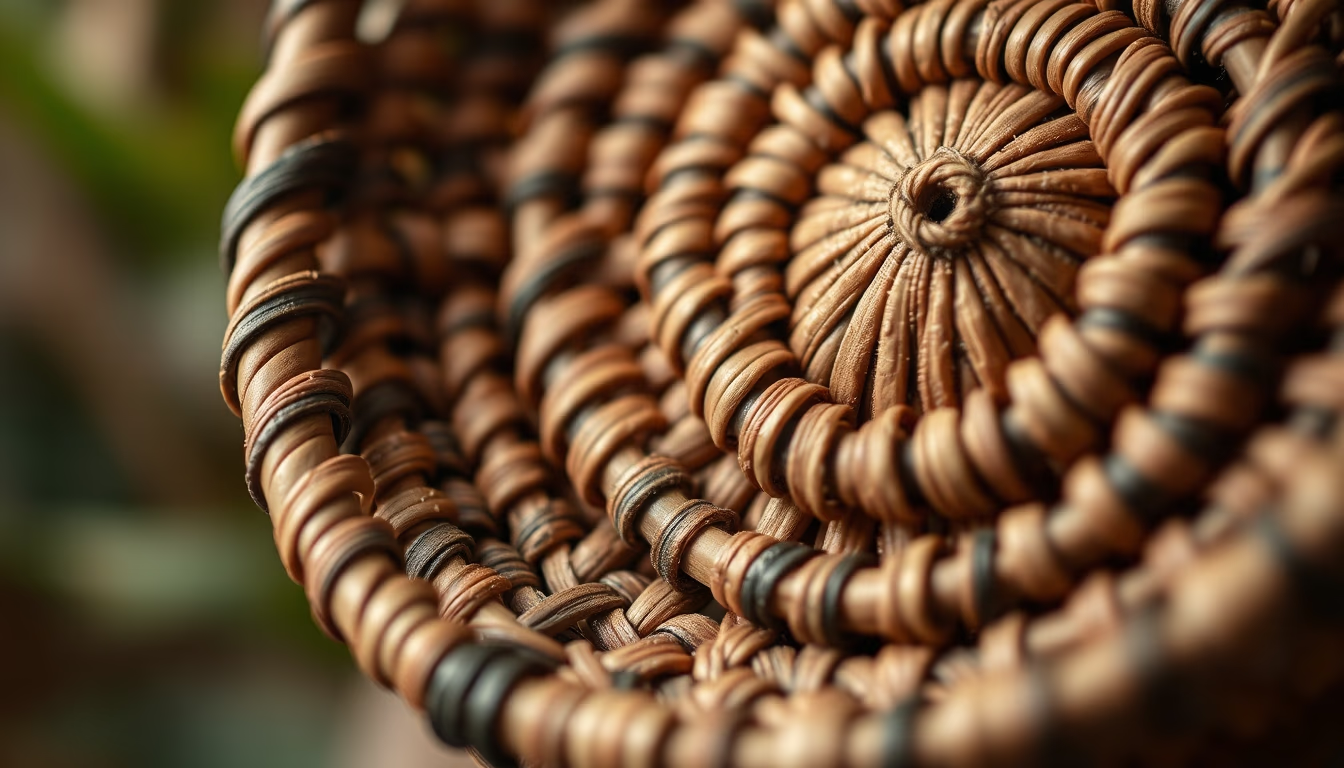
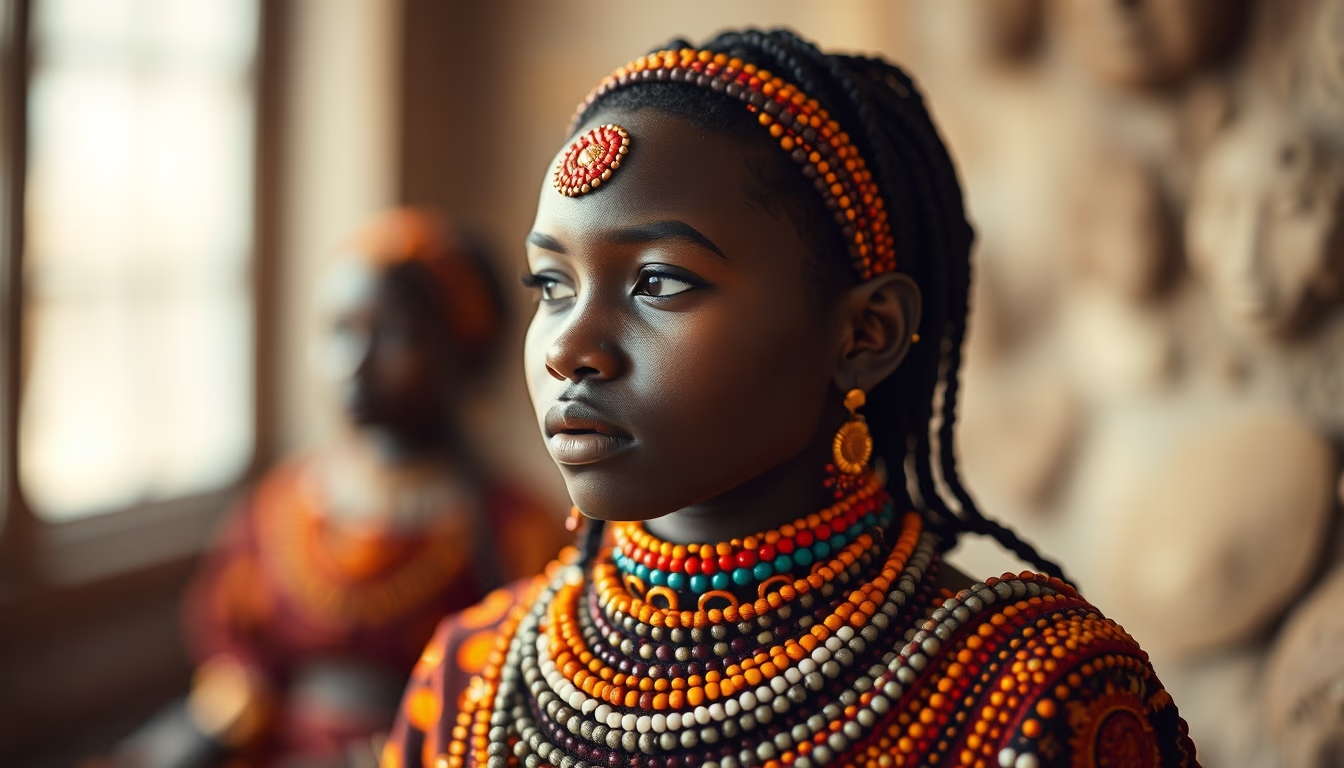
Andean textiles, with centuries of tradition, are renowned for their vibrant colors and geometric patterns that tell stories of pre-Columbian cultures.
About this subject
Andean textiles represent one of the world's oldest and most sophisticated weaving traditions, with archaeological evidence dating back to around 5000 BCE. Civilizations such as the Paracas, Nazca, Huari, and Inca developed advanced weaving techniques using fibers from alpaca, llama, vicuña, and cotton. The backstrap loom, a millennia-old tool, is still used by artisans in the Peruvian and Bolivian Andes to produce exceptionally high-quality pieces.
The color palette of Andean textiles is derived entirely from natural dyes: cochineal insects provide deep reds, indigo yields rich blues, and plants like chilca and molle produce yellows and greens. Each color and pattern carries symbolic meaning, geometric motifs (such as the Andean cross or chakana, zigzags, and zoomorphic figures) represent the Andean worldview, fertility, deities, and social organization. During the Inca Empire, fine textiles (cumbi) were status symbols and used in religious ceremonies.
Today, Andean textiles are recognized by UNESCO as Intangible Cultural Heritage of Humanity (2005, 2008). Indigenous communities keep traditional techniques alive, while contemporary designers incorporate these motifs into fashion and décor. Authentic pieces can be found at artisan fairs in Cusco, La Paz, and Otavalo, each with its distinct regional style. Preserving this knowledge faces challenges such as competition from industrial textiles and the aging of artisans, but fair-trade initiatives and sustainable tourism help sustain the tradition.
Frequently Asked Questions
What is the origin of Andean textiles?
The Andean textile tradition dates back to around 5000 BCE, with cultures like Paracas, Nazca, Huari, and Inca. They used fibers from alpaca, llama, vicuña, and cotton, as well as natural dyes.
How are natural dyes made for Andean textiles?
Dyes come from natural sources such as cochineal insects for red, indigo for blue, and plants like chilca and molle for yellow and green. The dyeing process is artisanal and passed down through generations.
What do the geometric patterns mean?
The patterns represent the Andean worldview: the chakana (Andean cross) symbolizes the four cardinal points and the connection between earth and sky. Zigzags represent mountains and rivers, while zoomorphic figures refer to sacred animals like the alpaca and condor.
Direct URL
https://pub-c7d6a6ea828543ac903a74a341ccb2e1.r2.dev/imagens/andean-textile-vivid-rembrandt-lighting-dramatic-shadows-fresh12.avifHow to credit
Include a visible link back to UtilizAí. Copy one of the snippets below:
<a href="https://xn--utiliza-eza.com/en/midia/imagens/andean-textile-vivid-rembrandt-lighting-dramatic-shadows-fresh12">Andean textile vivid</a> by <a href="https://xn--utiliza-eza.com">UtilizAí</a>, licensed under <a href="https://creativecommons.org/licenses/by/4.0/">CC BY 4.0</a>.
[Andean textile vivid](https://xn--utiliza-eza.com/en/midia/imagens/andean-textile-vivid-rembrandt-lighting-dramatic-shadows-fresh12) by [UtilizAí](https://xn--utiliza-eza.com), CC BY 4.0
License: CC-BY-4.0