Amazonian basketry
1344×768 · AVIF · CC BY 4.0
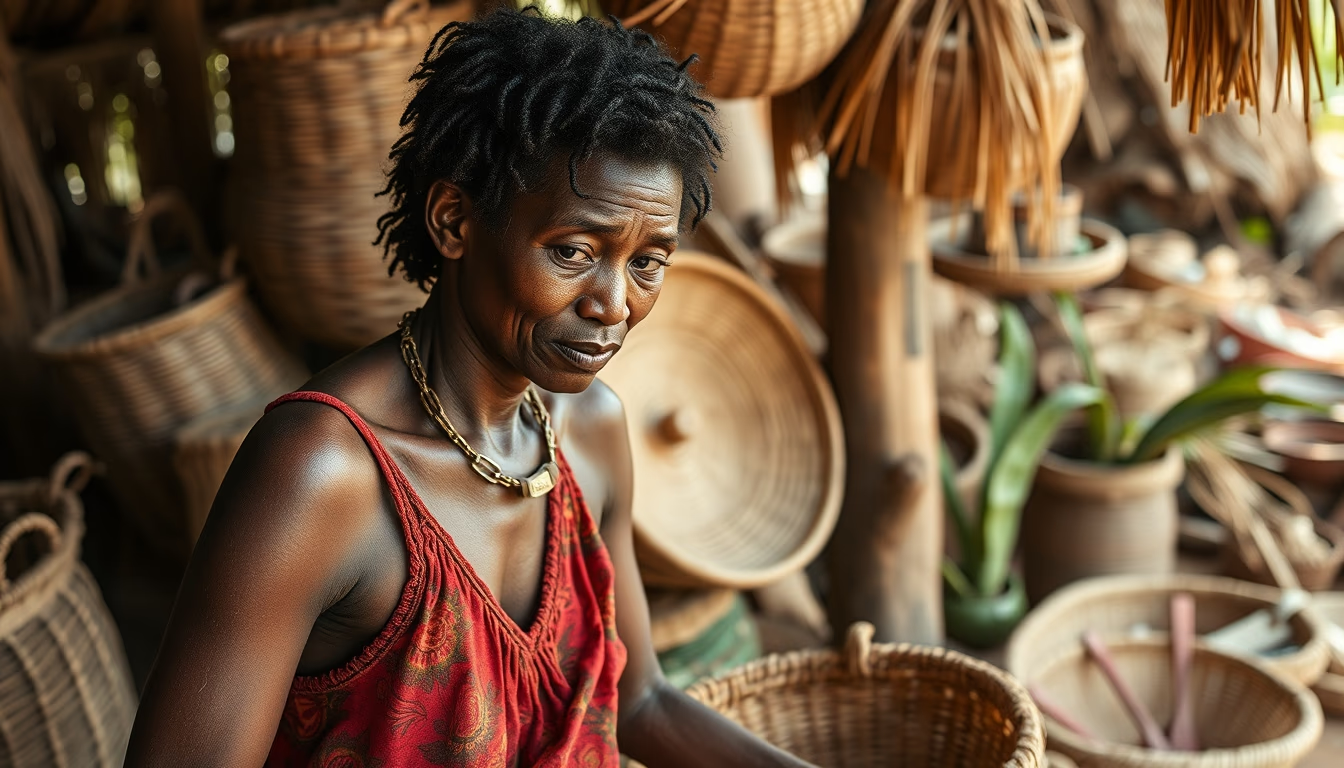
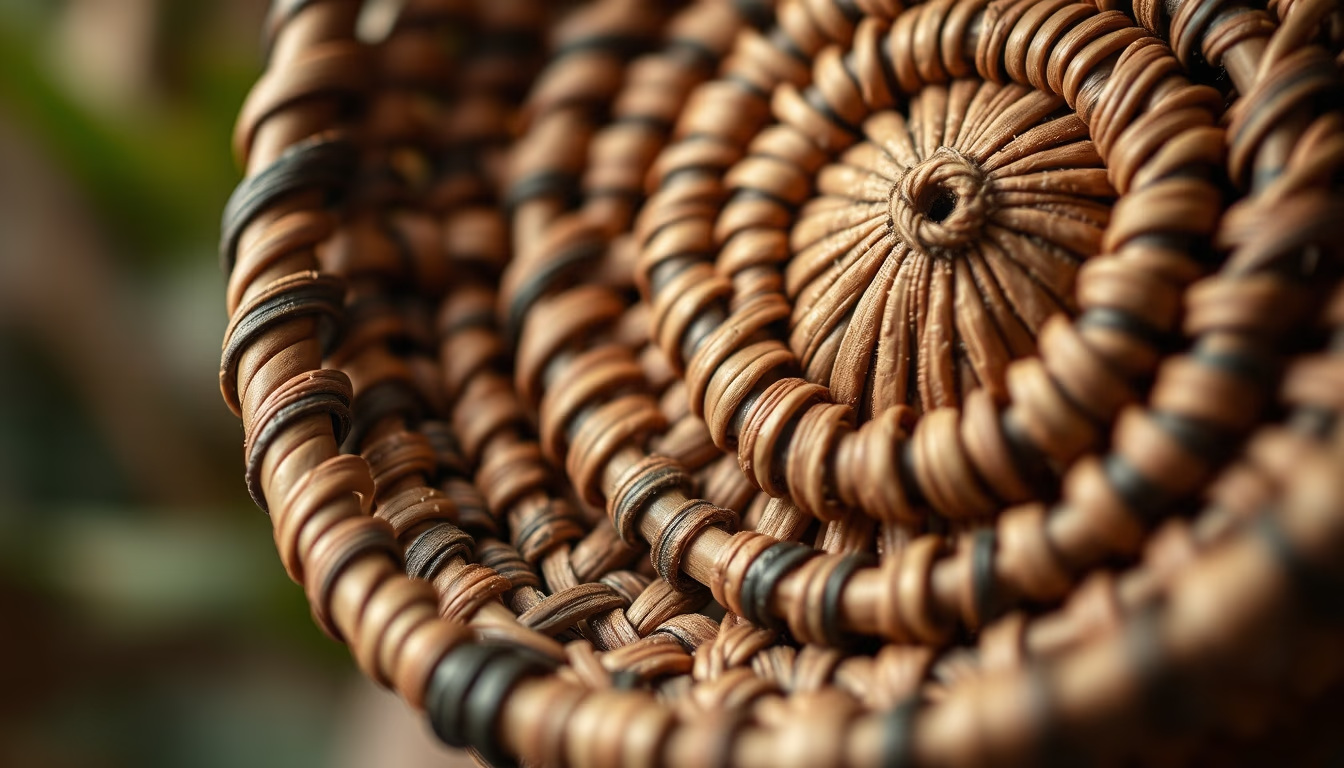
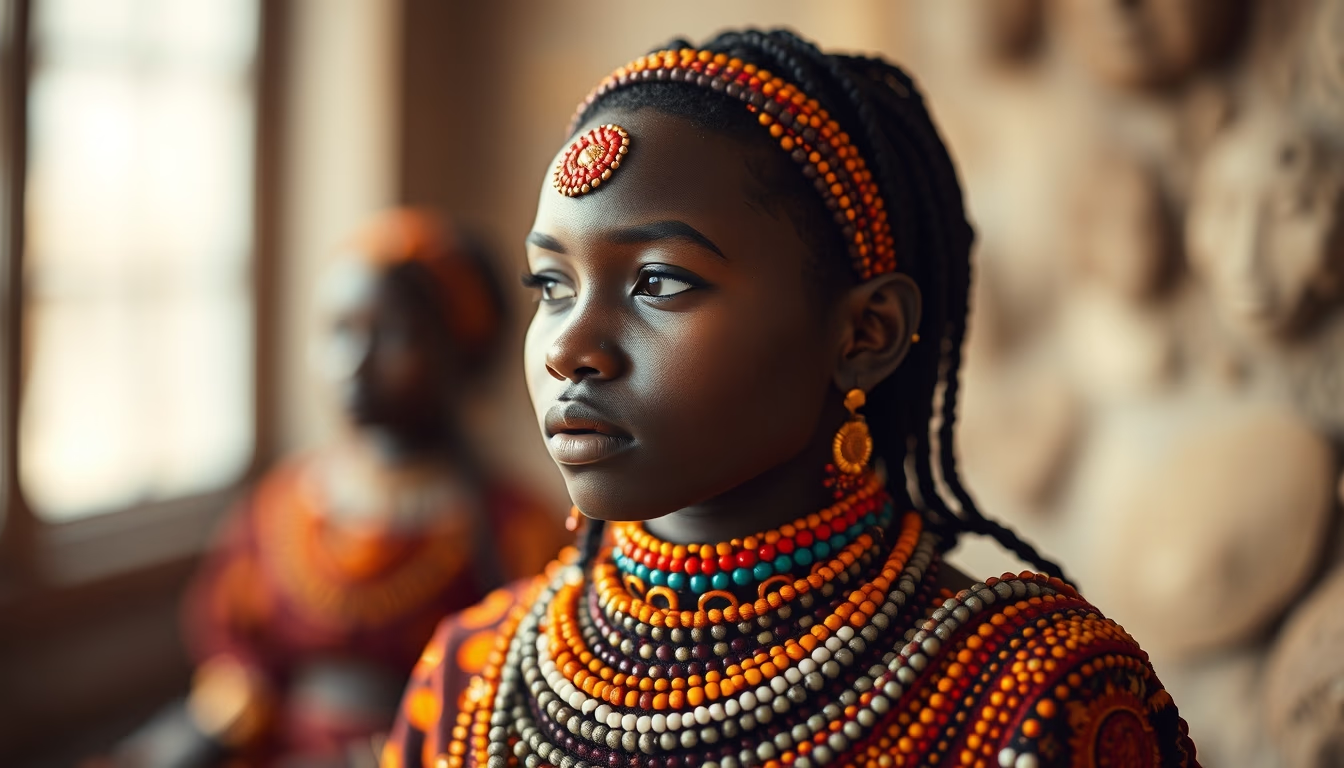
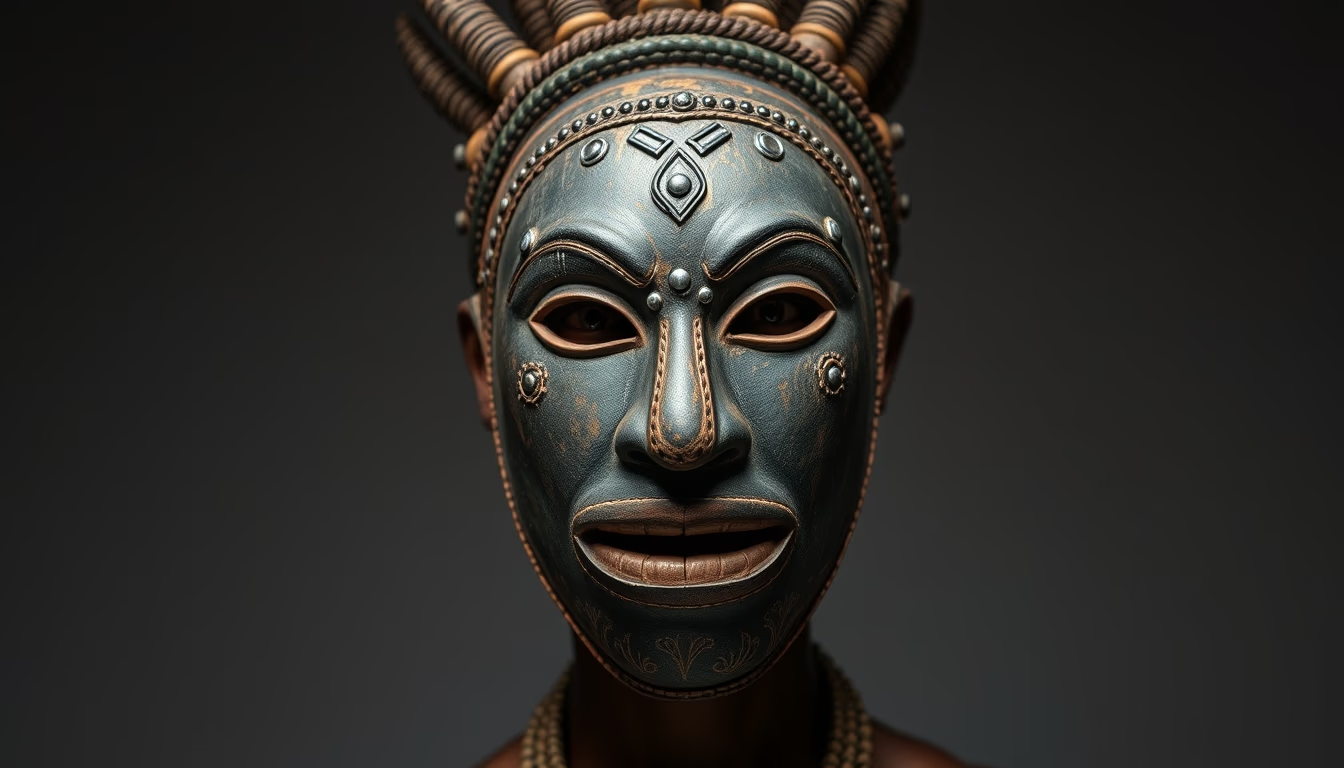
Amazonian basketry is an ancient art combining natural fibers, ancestral techniques, and knowledge passed down through generations among indigenous peoples.
About this subject
Amazonian basketry stands as one of the most sophisticated expressions of indigenous art in the Amazon region. Using fibers extracted from palms such as arumã, tucumã, and buriti, artisans create pieces ranging from domestic baskets to ritual objects. Techniques like coiling and twining are transmitted orally within communities, ensuring the continuity of knowledge that dates back thousands of years.
Each ethnic group develops specific patterns and forms. The Wauja of the Xingu, for example, are known for their baskets with geometric designs representing animals and myths. The Yanomami produce sturdy carrying baskets called paneiros for transporting food. The choice of fiber is not random: arumã is flexible and durable, ideal for precise pieces. Fiber processing involves harvesting, drying, and natural dyeing with plants like annatto and genipap.
Basketry is not only utilitarian; it carries cosmological and social meanings. Many baskets are used in initiation ceremonies or as offerings. In some cultures, the weaving patterns tell stories or indicate social status. Furthermore, artisan production generates income for indigenous communities, who sell pieces at art fairs and online platforms, promoting cultural appreciation and sustainable development.
Preserving this art faces challenges such as predatory exploitation of raw materials and loss of territories. Initiatives for sustainable palm management and documentation of traditional knowledge have been implemented to protect this intangible heritage. Amazonian basketry is thus not merely an object of beauty but a testament to the resilience and wisdom of forest peoples.
Frequently Asked Questions
What are the main materials used in Amazonian basketry?
The most common materials include palm fibers like arumã, tucumã, buriti, and piassava. Vines and seeds are also used, and dyes come from natural sources such as annatto and genipap.
How are weaving techniques passed down through generations?
They are typically transmitted orally from parents to children within families and communities. Children learn by observing and practicing from an early age, reinforcing cultural bonds and identity.
What is the cultural significance of basketry for indigenous peoples?
Beyond practical use (storage, transport), basketry holds spiritual and social meanings. Patterns may narrate myths, indicate clans, or be used in rituals, serving as a symbol of cultural resistance and artistic expression.
Direct URL
https://pub-c7d6a6ea828543ac903a74a341ccb2e1.r2.dev/imagens/amazonian-basketry-documentary-photography-fresh14.avifHow to credit
Include a visible link back to UtilizAí. Copy one of the snippets below:
<a href="https://xn--utiliza-eza.com/en/midia/imagens/amazonian-basketry-documentary-photography-fresh14">Amazonian basketry</a> by <a href="https://xn--utiliza-eza.com">UtilizAí</a>, licensed under <a href="https://creativecommons.org/licenses/by/4.0/">CC BY 4.0</a>.
[Amazonian basketry](https://xn--utiliza-eza.com/en/midia/imagens/amazonian-basketry-documentary-photography-fresh14) by [UtilizAí](https://xn--utiliza-eza.com), CC BY 4.0
License: CC-BY-4.0